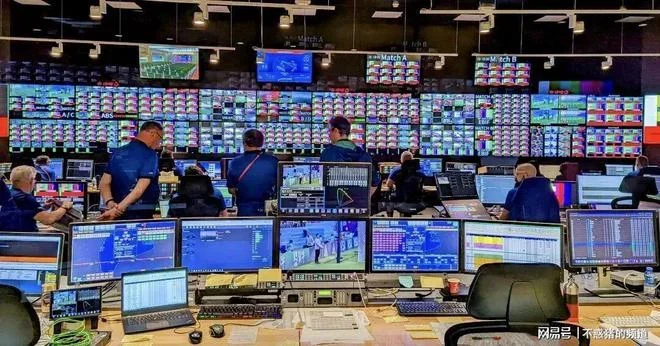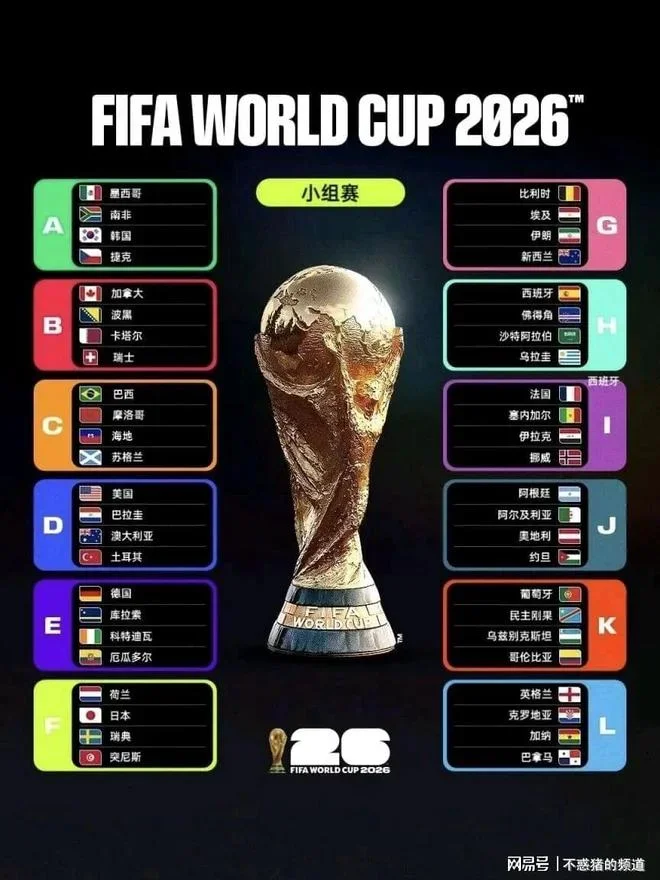

FIFA has finally blinked. After a tense negotiation over broadcast rights, the 2026 World Cup in the U.S., Canada, and Mexico is now just 30 days away, but CCTV, China’s state broadcaster, has yet to secure the rights.
If CCTV ultimately decides not to broadcast the tournament, FIFA risks more than just losing a lucrative broadcasting fee. The bigger danger is a potential decline in the World Cup’s brand value in China if the market goes dark.
Under pressure, FIFA sent officials to Beijing yesterday to persuade CCTV to purchase the TV rights, offering a price reduction of over 50%. The initial demand of $300 million has now dropped to between $120 million and $150 million, which is still above CCTV’s willingness to pay $80 million. The remaining gap of about $40 million could be bridged by packaging the 2026 and 2030 World Cup rights together in a single deal.
As the exclusive broadcaster of major international events in China, CCTV balances commercial interests with public service obligations. With FIFA showing willingness to compromise, both sides are optimistic about reaching an agreement, possibly announcing the outcome in the latter half of May.
Chinese fans can now breathe easier, as the chances of missing the World Cup broadcast are slim.
To understand this standoff, it’s crucial to look at FIFA’s revenue structure. According to The Guardian, the 2026 World Cup is projected to generate approximately $13 billion in total revenue, making it the most profitable single sports event in history.
Four main pillars support this income:
1. **Broadcasting Rights**: Expected revenue of over $3.4 billion – the largest single source for FIFA. The World Cup is broadcast in more than 200 countries, with FIFA negotiating rights regionally. China, as Asia’s largest market, has seen its broadcast fees soar over the past two decades. For instance, the combined rights for the 2002 and 2006 World Cups cost just $24 million, while the 2010 and 2014 packages went for $115 million, and the 2018 and 2022 packages hit $300 million.
2. **Sponsorships**: Expected around $4.5 billion. Sponsors are divided into global partners (e.g., Adidas, Coca-Cola, VISA, Lenovo), World Cup sponsors (e.g., Budweiser, Wanda, Mengniu, Hisense), and regional sponsors. Chinese sponsors like Wanda, Hisense, and Mengniu have already invested over $500 million and completed marketing campaigns.
3. **Licensed Merchandise**: About $1.5 billion, from mascots to official balls. This smaller but impactful category enhances brand penetration.
4. **Hospitality Packages**: Roughly $2.5 billion, the fastest-growing segment. With 48 teams, 104 matches across 16 host cities, and a record 39-day schedule, high-end packages bundle tickets, hotels, transportation, and exclusive services, with prices ranging from thousands to tens of thousands of dollars.
In FIFA’s pricing logic, China, with its massive population, has been classified as a top-tier market alongside the UK and US. Statistics show that during the 2022 World Cup in Qatar, Chinese viewers accounted for 49.8% of global digital and social media watch time – nearly half of all attention. This makes China a crucial commercial partner for FIFA’s revenue goals.
FIFA has also noted CCTV’s history of generating substantial income from World Cup broadcasts. Before 2014, CCTV enjoyed nearly all advertising revenue. After 2018, Chinese internet giants paid huge sums for sublicenses: in 2018, Migu and Youku spent a combined 2.6 billion yuan; in 2022, Migu and Douyin each paid over 1 billion yuan, far exceeding the original rights fee.
Given that the 2026 World Cup has 104 matches, meaning more advertising slots and longer exposure, FIFA’s initial $300 million asking price seemed reasonable, especially since many Chinese companies are eager to go global and need the World Cup stage.
However, CCTV’s refusal is not stubbornness but a matter of math.
First, China has failed to qualify for six consecutive World Cups. Without a home team, the event’s appeal in China drops significantly. Data shows that when China participated in 2002, CCTV’s viewership peaked at 18.5%. By contrast, the 2022 World Cup – despite Messi’s fairy-tale ending – averaged only 3.5% on CCTV, an 80% decline.
Moreover, more matches don’t necessarily mean higher value. Many first-time teams like Curaçao, Cape Verde, and Haiti may lead to lopsided contests. Only matches involving a few star teams command premium advertising slots.
Second, the BBC has called this World Cup the “worst in terms of time zones.” The 2002 tournament in Japan and South Korea had no time difference with China, sparking a viewing frenzy. The 2006 World Cup in Germany had some time difference but still fell in prime evening hours in Beijing. This edition, held in the Americas, will see 70% of the most-watched matches played in the early morning or late night in China. Knockout rounds start no earlier than 1 a.m., and quarter-finals are after 3 a.m., severely undermining advertising value and ratings.
Third, there is a “dual pricing” issue. India, with a population even larger than China’s, was initially offered two World Cups for just $35 million. That means China’s initial offer was about 17 times higher, which FIFA considers unfair.
Finally, CCTV’s return on investment has been declining as broadcast rights costs rise. Media reports indicate that CCTV’s revenue from the 1998, 2002, and 2006 World Cups was less than 100 million yuan, 450 million yuan, and 1.3 billion yuan, respectively, with rights-to-revenue ratios exceeding 1,000%. Since 2010, however, the ratio has hovered around 3 to 5 times the rights fee. For the 2022 World Cup, CCTV’s total revenue was about 6 to 7 billion yuan, with a rights-to-revenue ratio near 5:1.
If CCTV were to pay $300 million for the rights, it would need to generate at least 6 billion yuan in revenue just to break even – a daunting target that could force aggressive monetization, passing costs to advertisers and viewers. Given declining advertiser interest and a tight timeline, CCTV’s calculus is clear.
While the World Cup remains the pinnacle of football, its popularity is waning. In contrast, domestic Chinese tournaments like the Jiangsu Super League (苏超) and Village Super League are thriving, both in grassroots engagement and commercial value.
During the FIFA-CCTV standoff, many Chinese netizens exclaimed, “We don’t need the World Cup; we have our own football leagues.” For example, the Jiangsu Super League, though an amateur competition at the fourth tier of Chinese football, has achieved remarkable commercial success. In 2025, 85 matches drew 2.433 million spectators live, averaging 28,600 per game, with online views exceeding 2.2 billion. This is comparable to La Liga or Ligue 1 attendance. The final match boosted Nanjing’s retail spending by over 20%. Within a year, the number of sponsors jumped from 6 to 41. Adidas designed custom jerseys for 13 teams – a first for an amateur league globally.
In 2026, the Jiangsu Super League opener saw 40,832 fans in attendance, with 100% occupancy across all first-round matches. The average crowd of 31,000 surpassed the Chinese Super League’s average of 29,000. Such domestic successes are helping Chinese fans “disenchant” the World Cup, turning it from a single option into one among many.
This disenchantment extends beyond football to movies, cars, tech, food, and luxury goods – reflecting a broader shift in values and the rapid development of domestic industries, from local brands to grassroots sports.